

Welcome to Takbir – A Place to Learn, Teach, and Grow in Knowledge

Alhamdulillah, knowledge is a precious gift from Allah. It guides us, strengthens our faith, and allows us to benefit ourselves and those around us. Seeking knowledge is not just about learning religious studies—it includes any beneficial skill that helps people grow.

But with busy schedules and limited access to quality education, finding the right platform to learn or teach can be difficult. That’s where Takbir comes in. Welcome to Takbir, where learning has no boundaries.

What is Takbir?

Takbir is a global online learning platform. It is designed to make Islamic knowledge and other beneficial education easily accessible to everyone. Whether you want to understand the Quran, improve your Arabic, learn calligraphy, or explore Islamic poetry, Takbir has it all. It connects top Islamic teachers with learners worldwide.

It is a space for both learners and teachers. If you have knowledge to share, you can teach on Takbir and inspire others worldwide. At the same time, if you want to learn Deen, Islamic sciences, Fiqh, hadith or anything related, you can start learning at your own pace. 

What Can You Learn?

            Takbir offers courses and tracks in different subjects such as::

  • Quran and Tajweed 

            Learn how to properly recite and pronounce the Holy Quran.

  • Arabic Language 

            Improve your reading, writing, and speaking.

  • Hadith and Sunnah 

           Understand the teachings of Prophet Muhammad (ﷺ).

  • Fiqh and Islamic Rulings 

            Learn about prayer, fasting, zakat, and following Deen in daily life.

  • Islamic Calligraphy and Art 

            Develop creative skills inspired by Islamic heritage.

  • Islamic Poetry and Literature 

            Explore beautiful writings that express Deen.

  • Beneficial Skills 

            Any knowledge that serves humanity and brings value.

Takbir welcomes all kinds of learning that align with Islamic values and help the community grow. Welcome to Takbir, where knowledge has no limits.

Why Choose Takbir?

1. Learn from Knowledgeable Instructors

Courses on Takbir are taught by experienced teachers, scholars, and skilled professionals. You’ll gain knowledge from authentic sources and learn with confidence.

2. Study at Your Own Pace

No fixed schedules, no stress. With Takbir, you can learn whenever it suits you. Study from the comfort of your home and balance learning with your daily life.

3. Engaging & Practical Courses

Takbir makes learning interactive and enjoyable:

  • Video lessons to guide you step by step.
  • Practice exercises to strengthen your understanding.
  • Downloadable materials so you can study anytime.

4. Free & Affordable Learning

Education should be accessible to everyone. That’s why Takbir provides both free and paid courses, so everyone can benefit, InshaAllah.

How Takbir Helps You Grow

  • Strengthen your knowledge of Islam and beneficial subjects.
  • It helps gain skills that will benefit you in both personal and professional life.
  • You have full freedom of time and no restrictions—without time pressure or restrictions.

Learn Anytime, Anywhere

Takbir makes online learning easy and flexible:

  • You can learn from anywhere in the world, no matter where you are.
  • Use any device—phone, tablet, or laptop—to study freely.
  • Access courses of your choices—no deadlines or time limit..

Are You a Teacher? Share Your Knowledge on Takbir!

If you have expertise in Islamic studies or any subject that benefits the community, Takbir is the perfect place to teach.

  • Reach a global audience eager to learn.
  • Teach at your own pace with flexible schedules.
  • Earn rewards, both in this life and the next, InshaAllah.

Join Takbir Today!

Are you ready to start learning or teaching? Welcome to Takbir, where knowledge is for everyone.

Getting started is easy:

  1. Sign up on Takbir.
  2. Choose a course or become an instructor.
  3. Begin your journey of knowledge.

Visit Takbir today and take the first step toward learning, growing, and sharing knowledge.

May Allah bless your efforts. JazakAllah Khair.
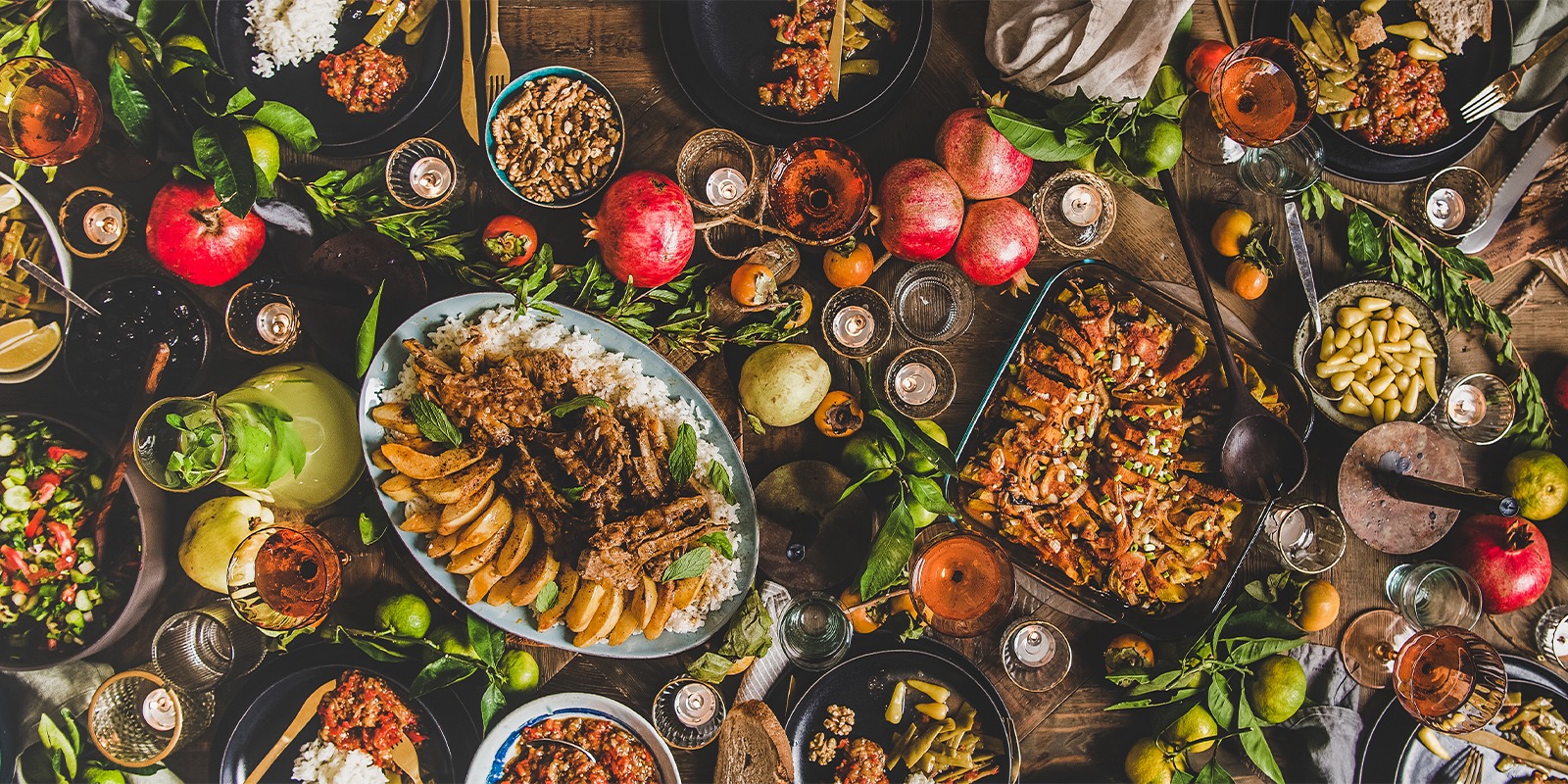
Halal Food and Haram Food in Islam: A Complete Guide

Food is a big part of our lives, but for Muslims, it’s not just about taste or health—it’s also about faith and following Allah’s rules. Islam clearly tells us which foods are halal (allowed) and which are haram (not allowed). These rules help keep us healthy and spiritually pure.

This guide will help you understand the Islamic dietary laws, including a halal food list, haram food list, and practical tips to help you follow a halal lifestyle with confidence.

What is Halal Food?

Halal is an Arabic word that means “permissible” or “lawful”. In the context of food, halal refers to anything that is allowed for Muslims to eat according to Islamic teachings.

Allah says in the Quran:

“O mankind, eat from whatever is on earth [that is] lawful and good…” (Quran 2:168)

This verse highlights two key principles of Islamic dietary laws:

  1. Lawfulness (Halal) – The food must be permissible under Islamic law.

  2. Goodness (Tayyib) – The food should be wholesome, clean, and healthy.

Islam encourages us to eat what is pure and beneficial, avoiding anything that could harm our bodies or souls.

For food to be halal, it must meet certain Islamic dietary conditions, such as:

  • Meat must come from halal-slaughtered animals (following the Islamic method of slaughter known as Zabiha).

  • No alcohol or intoxicants should be in the food.

  • No consumption of blood or carrion (dead animals that were not slaughtered correctly).

  • No pork or pork by-products.

What is Haram Food?

Haram means “forbidden” in Arabic. These are foods and drinks that Muslims are not allowed to consume.

Allah says in the Quran:

“He has only forbidden to you dead animals, blood, the flesh of swine, and that which has been dedicated to other than Allah…” (Quran 2:173)

This verse clearly outlines four types of food that are strictly forbidden:

  1. Carrion (Dead Animals) – Animals that die naturally or are not slaughtered properly.

  2. Blood – Blood consumption is harmful and unhygienic.

  3. Pork (Swine Flesh) – Islam forbids pork due to its impurity and potential health risks.

  4. Animals Sacrificed to Other than Allah – Any meat dedicated to idols or false gods is forbidden.

Islam teaches that what we consume affects our body and soul, so we must ensure our food is pure and lawful.

Halal Food List: What is Allowed?

Here are some foods that are considered halal:

Meat and Poultry:

✅ Chicken, beef, lamb, goat (if slaughtered according to Islamic guidelines)
✅ Fish and seafood (most types)
✅ Eggs (from halal animals)

Dairy Products:

✅ Milk, cheese, butter (if no haram additives are used)
✅ Yogurt and cream (check for alcohol-based flavorings)

Fruits and Vegetables:

✅ All fruits and vegetables are halal
✅ Legumes, nuts, and seeds

Grains and Breads:

✅ Rice, wheat, oats, barley, and corn
✅ Bread, pasta, and cereal (if free from haram additives)

Beverages:

✅ Water, milk, fruit juices
✅ Tea and coffee (without alcohol)

Haram Food List: What to Avoid?

Here are some foods that are considered haram:

Meat and Poultry:

❌ Pork and pork-based products (e.g., bacon, ham, gelatin from pork)
❌ Carrion (dead animals not slaughtered according to Islamic laws)
❌ Meat from animals not slaughtered in the name of Allah

Dairy Products:

❌ Cheese with animal rennet from non-halal sources
❌ Ice cream with alcohol-based flavorings

Beverages:

❌ Alcohol (wine, beer, liquor)
❌ Any drink containing intoxicants

Other Forbidden Foods:

❌ Blood and blood-based products
❌ Foods prepared with haram additives, like certain emulsifiers (e.g., E120 from insects)

Eating these foods is not good for our health or faith. Always check ingredients to make sure your food is halal.

The Prophet Muhammad (ﷺ) said:
“A body nourished with haram will not enter Paradise.” (Tirmidhi)

This hadith emphasizes that consuming haram food affects not just our body but also our spiritual state. If someone eats haram knowingly, it can block blessings, make their duas less effective, and distance them from Allah’s mercy.

How to Identify Halal Food?

Finding halal food can be easy if you know what to look for. Here are some helpful tips:

  • Check for Halal Certification: Many packaged foods have a halal symbol or certification label.

  • Read Ingredients Carefully: Avoid anything with gelatin, alcohol, or animal-based additives.

  • Ask About Meat Sources: When eating at restaurants, ask if the meat is halal-certified.

  • Shop at Halal Stores: Many grocery stores cater to Muslim consumers with halal meat and products.

The Spiritual Importance of Eating Halal

Eating halal is not just about following rules—it’s about obeying Allah and keeping your body pure. Consuming halal food brings barakah (blessings) into your life.

Allah says in the Quran:

“O you who have believed, eat from the good things which We have provided for you and be grateful to Allah.” (Quran 2:172)

This verse teaches us that food is a blessing from Allah, and we should only eat what is pure and permissible. Following halal guidelines not only keeps us healthy but also strengthens our faith and deepens our connection with Allah.

FAQs About Halal and Haram Food

Here are answers to some most commonly asked question:

Q: Can Muslims eat vegetarian food?
A: Yes, all vegetarian food is halal as long as it does not contain alcohol or other haram ingredients.

Q: Is all seafood halal?
A: Most scholars agree that fish and seafood are halal, except for animals like frogs and crocodiles.

Q: Can Muslims eat at non-halal restaurants?
A: Yes, but they should choose vegetarian, seafood, or halal-certified options.

Final Thoughts

Eating halal is more than a dietary rule—it is a way to show obedience to Allah and live a pure life. By eating halal food and avoiding haram food, you make sure your food is allowed, good for your health, and brings you closer to Allah.

If you found this guide helpful, share it with others and help them understand the importance of halal eating!